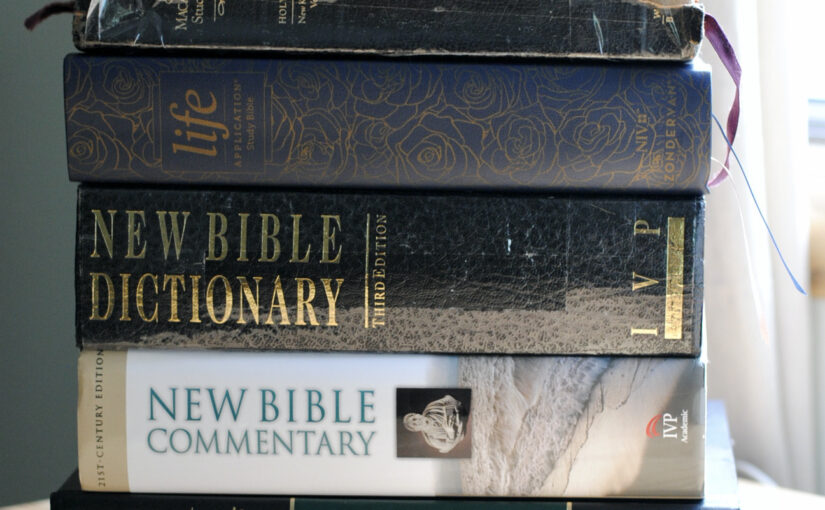
A Bible resource library? What’s that and why would anyone need that if they’re not teaching God’s Word or a pastor? Whether you’ve been reading the Bible your whole life or you’re just starting, having a resource to turn to when you have questions is incredibly helpful. You don’t need to have to spend hundreds of dollars or have an entire bookshelf filled with commentaries and dictionaries. In today’s post, I’ll be sharing two of my stand-by resources plus a few Study Bible options to help you on your journey to a deeper understanding of God’s Word.
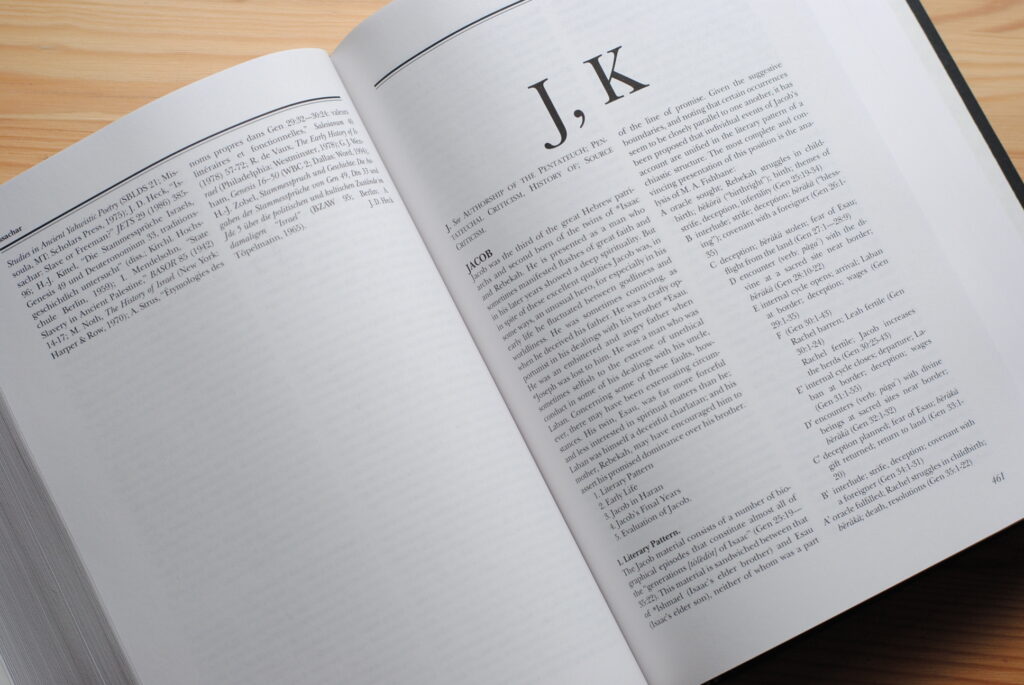
In 2010 I started attending a formal Bible Study (BSF). I realized, a few years into this study, I wanted to know more about the passages we were reading each week. I found myself wondering about historical/cultural context and how that fit with the lessons I was learning. When I started teaching, I realized any kind of additional information helped clarify the main teaching and provided ideas for application into life today.
One book I found myself turning to time and time again (pictured above) has been the New Bible Dictionary. Its sides are worn and taped together, but it has been one of the best resources. It has historical background on people and places in Scripture. It also has timelines and detailed genealogies to help give perspective to the over 4,000 years of events that take place within the Bible’s 66 books.
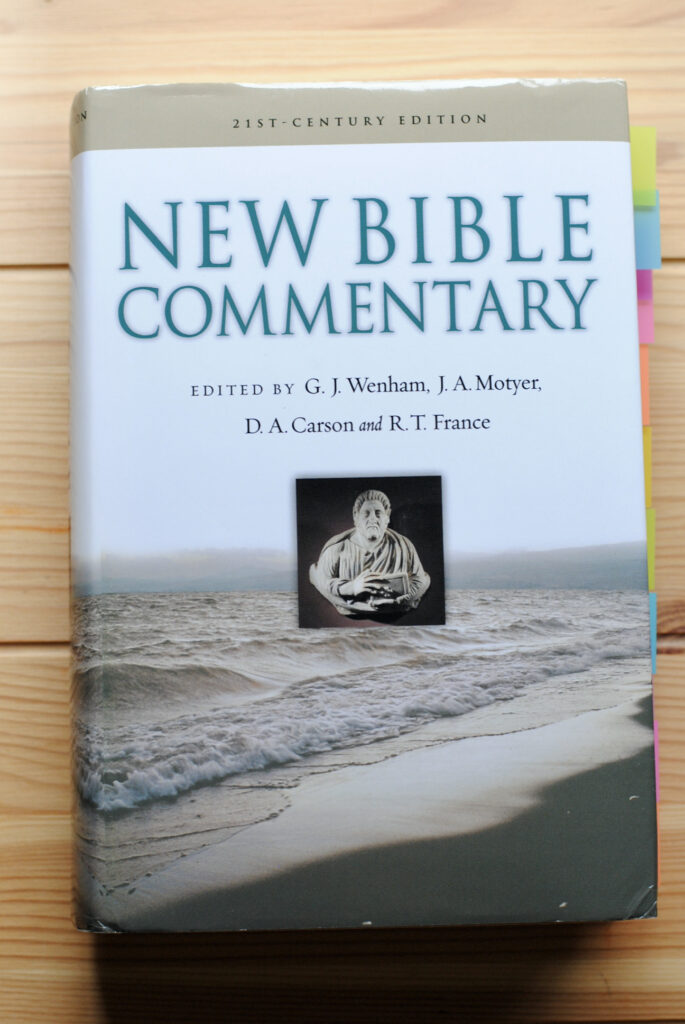
This is the newest addition to my collection. It happens to be the companion book to the New Bible Dictionary. The New Bible Commentary is a solid choice if you’re looking for background information for each book of the Bible. I already have tabs for each book we’re covering this year in BSF (15 books!).
If you are looking for a place to start, these two are great. There are options to buy them used on Amazon making them affordable for anyone.
Study Bibles: Unfortunately, I don’t have any advice on how to pick a Study Bible that works best for everyone. However, I do recommend finding a version of the Bible that you enjoy best and looking for a Study Bible in that version. The New International Version (NIV) is the most widely read and understood (also known for its accuracy in translation), most churches will have this version available during their services. The NKJV or KJV (New King James Version or King James Version, both are known for their accuracy in translation) are more formal, the King James English might be harder to understand for anyone who is not a native english speaker. The ESV (English Standard Version) is also easy to understand and widely used. If you like journaling/writing notes in your Bible, this ESV is a great option. The Message version is also fairly common, although it’s more a paraphrase, so it’s recommended to have an NIV/KJV/NKJV along side while reading that one.
For 20 years I had a slim-line NIV and a NKJV MacArthur Study Bible. I realized this year I needed an updated NIV to teach from and the Life Application Study Bible has already proved a great addition to my resource library. It has a lot of the same informative tools as my New Bible Dictionary and Commentary, plus examples for applying lessons one could learn while studying Scripture.
Studying God’s Word is an amazing process and prioritizing understanding what He says will help you discern any teachings that twist, add to or detract from what’s in the Bible. Studying God’s Word will cultivate change within you and as you draw closer to God, He will draw closer to you. I hope you found this post helpful!
Blessings,
Lauren